
Environmental evidence for projects that need to be financed, built and exported.
We assess impacts, model air, noise and water, calculate carbon and supply monitoring instruments for industry, project developers and exporters, with every figure traceable to its source.
- NextEU Deforestation Regulation applies to large and medium operators
- NextUK CBAM takes effect for aluminium, cement, fertiliser, hydrogen, iron and steel imports
- NextCommission scheduled to publish the Q4 2026 CBAM certificate price
- NextEU CBAM certificates sold only on the common central platform from February 2027
- NextFirst EU CBAM declaration, covering 2026 imports, due with certificate surrender
- NextUK CBAM registration opens
- UKHMRC publishes UK CBAM guidance on rates, emissions intensity, monitoring and verification
- CBAMQ3 2026 CBAM certificate price published: €82.32 per tonne CO₂e
- CBAMCommission publishes its CBAM de minimis threshold assessment
- TradeCommission asks Council to authorise signature and conclusion of the EU–India FTA
- UKHMRC adds the CBAM (Emissions and Verification) Regulations 2026 to its guidance collection
- IndiaIndia extends GHG emission intensity targets to refineries, petrochemicals, textiles and secondary aluminium
CBAM data platform
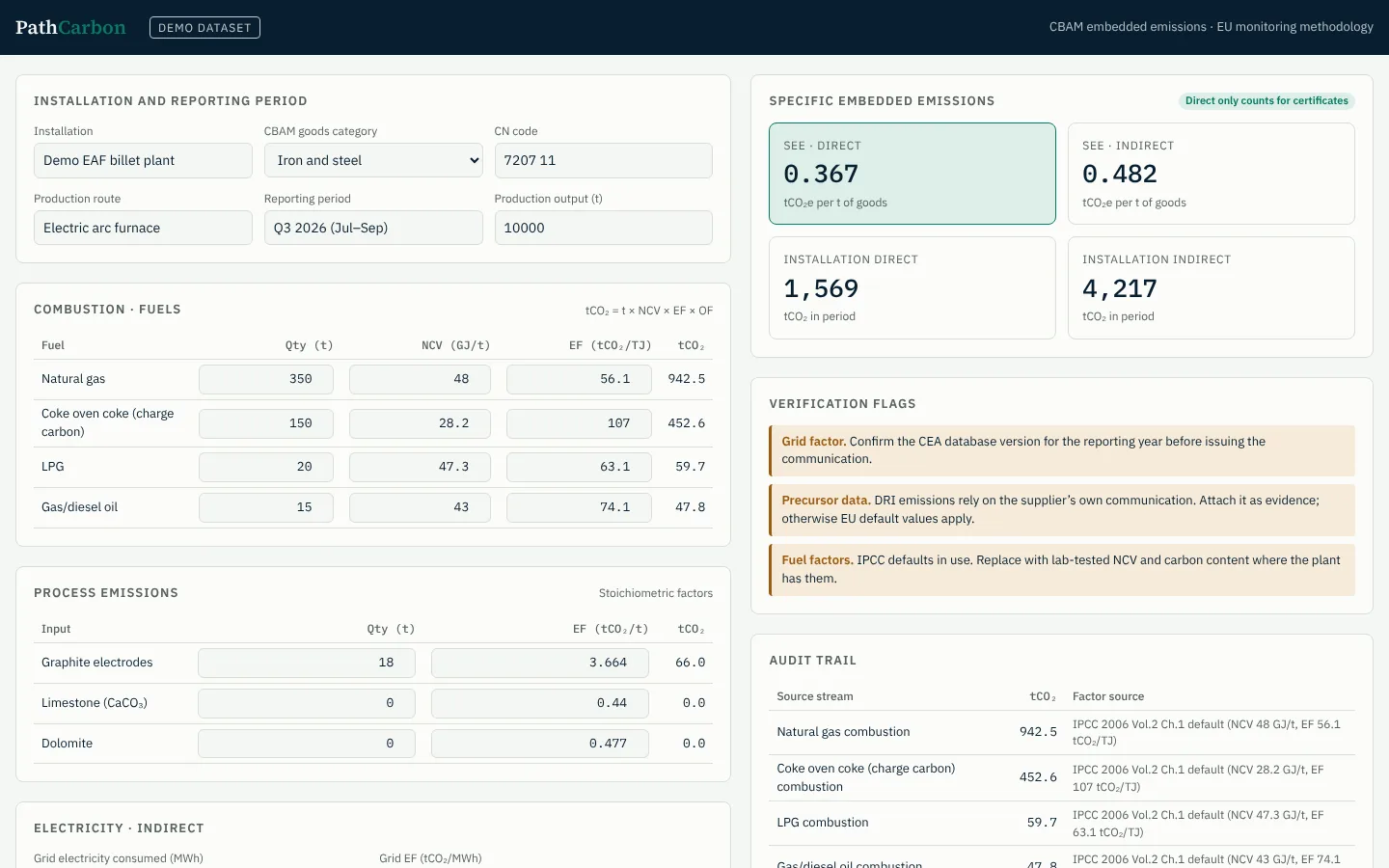
Our software turns a plant's fuel, electricity, process and precursor records into installation-level under the EU methodology, with every figure traced to its source document and factor.
The same plant dataset produces the supplier communication for EU importers, CCTS intensity reporting, ISO 14067 product footprints and EN 15804 results for EPDs, so the data is collected once rather than rebuilt for each report.
What is at stake
Three numbers behind most of the calls we take.
Mark-up on CBAM default values from 1 January 2027 for steel, aluminium, cement and hydrogen when the importer has no verified plant data. It is 10% in 2026.
Source: Implementing Regulation (EU) 2026/1740CBAM for exporters 8×India's annual PM₂.₅ standard compared with the WHO 2021 health guideline that lenders increasingly read projects against.
Sources: CPCB (2009); WHO (2021)What changed in the WHO guidelines 26×Supply chain emissions compared with operational emissions, on average, for companies reporting to CDP.
Source: CDP (2024)Scope 3 that holds upWhat we do
Four services, one standard: numbers a lender, regulator, verifier or customer can check.
EIA, ESIA and modelling
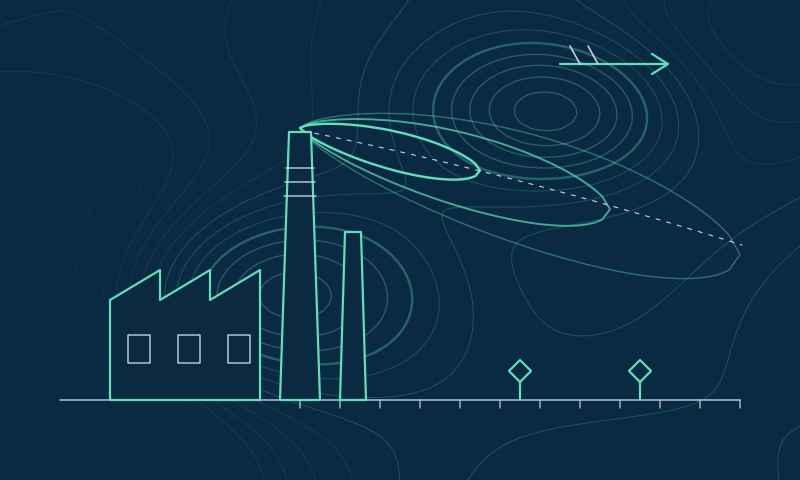
Environmental impact assessment to IFC Performance Standards, with the air, noise, water and underwater-noise models lenders and regulators check.
CBAM and carbon accounting
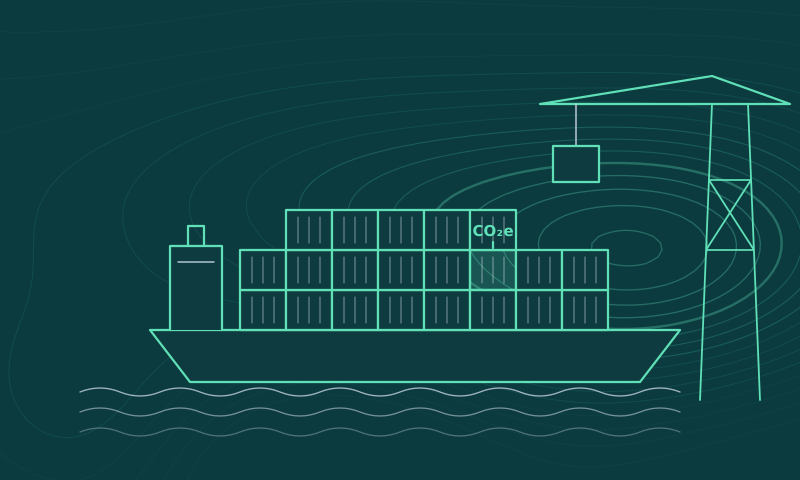
Embedded emissions for EU and UK buyers, Scope 1–3 inventories and product footprints that hold up to verification.
Data systems and tools
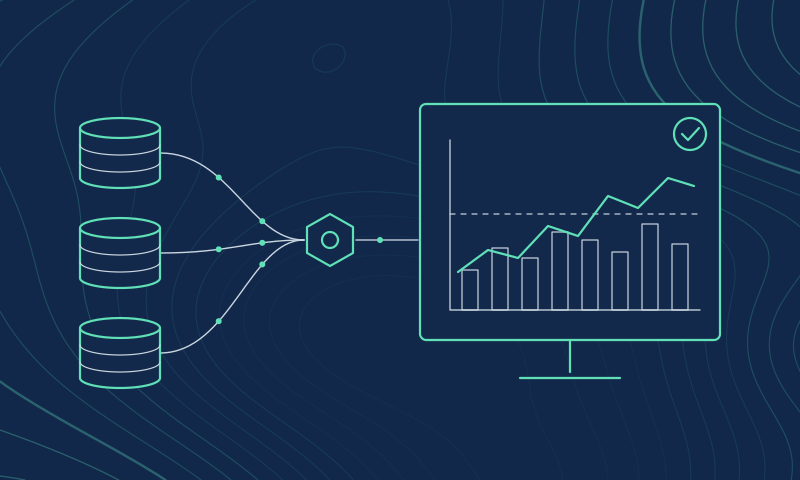
Pipelines and software that turn monitoring files and activity data into checked, reportable results.
Monitoring instruments
Air, noise, weather and water equipment configured to the method you are judged by and shipped worldwide.
See how a plume model responds
Change the wind and the atmosphere and watch where the pollution lands. This is the kind of analysis that decides where monitoring stations and mitigation go.
| Peak | – | |
| Village | – | |
| School | – | |
| Clinic | – | |
How a study is checked before it is issued
Our standard process puts each deliverable through four checks, and each one is recorded.
Prepared
Receptors, monitoring stations and period chosen against the standard the project will be judged by.
Checked
Every model input carries its source: weather data, stack data, terrain, traffic counts.
Reviewed
Modelled results compared with measured , and the inputs that move the answer tested.
Approved
Written to the reviewer's checklist, with a table against each IFC Performance Standard and a register of assumptions.
Insights
Short, sourced notes on the questions lenders, regulators and buyers are asking now.



Tell us about the project. We reply shortly with the questions a lender, regulator or verifier is likely to raise.